Fence Maintenance Tips for Every Season: Keep Your Fence Looking Its Best All Year
Seasonal care for your fence is critical for maintaining both the durability and aesthetics of outdoor structures. Routine checks and maintenance can help avoid climate-induced deterioration and pest-related issues. Each season presents unique challenges and tasks that require attention. Recognizing these periodic maintenance duties can significantly improve your fence's strength and visual charm. Unfortunately, numerous property owners neglect these critical routines. With that in mind, what precise measures should homeowners follow to ensure their fence stays strong all year long?
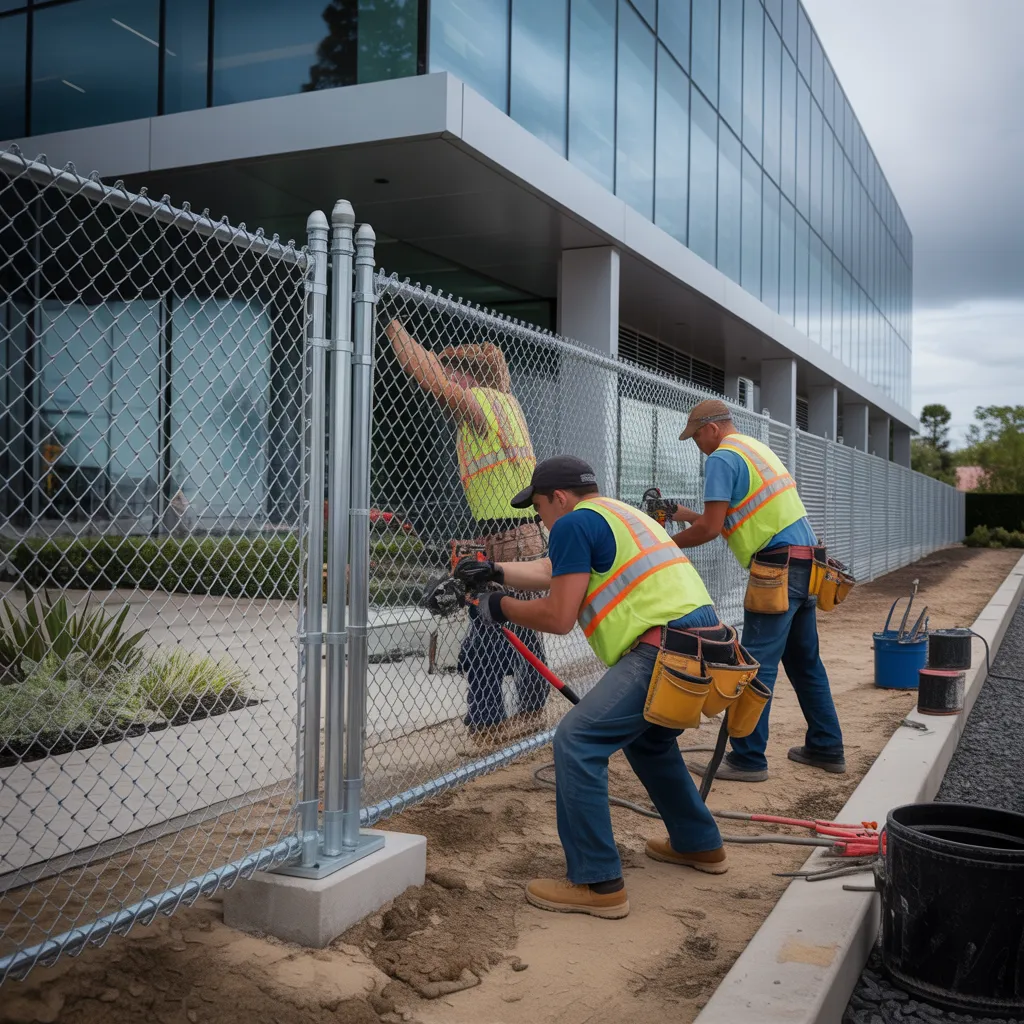
How Seasonal Fence Care Is Key to Long-Term Durability and Curb Appeal
Seasonal fence upkeep represents a commitment to preserving both the durability and visual appeal of outdoor fencing installations. Consistent maintenance is critical for guarding against deterioration from weather elements, pests, and natural wear. When it comes to wooden fences, applications like waterproofing and staining help guard against moisture and rot, extending their lifespan markedly. Steel and iron fences require inspections for rust or corrosion, that, if ignored, can ultimately cause significant structural damage.
Furthermore, a regularly maintained fence boosts the overall aesthetics of a home, offering a polished look that complements outdoor landscaping. Routine seasonal assessments make possible timely repairs, making sure that small issues never develop into costly replacements. By prioritizing seasonal maintenance, homeowners not only preserve their home investment but also contribute to the overall attractiveness and value of their property. Consistent upkeep ultimately highlights a homeowner's passion to their outdoor space, fostering a warm environment for family and guests alike.
Spring Cleanup: Your Comprehensive Fence Maintenance Checklist
When winter transitions to spring, homeowners ought to focus on a thorough fence maintenance checklist to secure their outdoor structures remain in top condition. Initially, a detailed inspection of the fence is crucial. Property owners need to look for loose boards, rust, and any signs of damage or decay. Next, debris removal is vital; removing leaves, dirt, and accumulated debris stops moisture from building up and compromising the integrity of the fence.
Washing is the next step. A light pressure wash or wash with a soapy solution can clear away grime and buildup. After cleaning, homeowners should determine if a fresh coat of stain or paint is necessary to protect against upcoming seasonal weather. Additionally, inspecting the fence posts and confirming they are stable will strengthen the overall structure. Finally, resolving any overgrowth concerns, such as overgrown plants, guarantees the fence remains accessible and well-maintained throughout the year.
Summer Care: Protecting Your Fence From the Sun
During the summer months, regular maintenance is crucial for preserving a fence's strength against intense sun exposure. Prolonged sunlight can cause materials like wood to fade, warp, or crack, compromising both appearance and durability. In order to safeguard a wood fence, regular staining or sealing is advisable. This not only enhances aesthetics but also creates a shield against harmful UV rays.
For vinyl and metal fences, cleaning with a mild detergent and water can prevent discoloration and rust. Additionally, examining for signs of damage, including loose boards or rust spots, allows for timely repairs before issues worsen. It is also beneficial to cut back surrounding vegetation to reduce shading and moisture buildup, either of which can negatively impact the fence's condition. By applying these warm-weather care practices, homeowners can guarantee their fences remain resilient and visually appealing throughout the season.
Setting Up Your Fence for Winter: Important Fall Duties
Taking a proactive stance on fence maintenance in the fall can greatly extend its lifespan and functionality through the winter months. Property owners should start by thoroughly inspecting the fence for signs of wear, including cracks, loose boards, or rust. Any necessary repairs should be made promptly to prevent further deterioration. Cleaning the fence is also essential; eliminating dirt, mold, and debris preserves its look and deters pest infestations.
Moreover, using a protective sealant or stain helps defend against moisture and freezing temperatures. With wooden fences, pruning any overhanging branches helps prevent snow and ice from accumulating on the structure, lowering the risk of damage. Lastly, tightening or reinforcing any loose posts will enable the fence to endure harsh winter conditions. By implementing these critical preparations in the fall, homeowners can be confident their fences will remain durable and visually pleasing throughout the winter season.
Preparing Your Fence for Winter: Essential Steps for Protection
Getting a fence ready for winter calls for thorough attention to its condition and safeguarding measures. Homeowners should first inspect for any damage that may have occurred during the year, making sure that any necessary repairs are addressed without delay. After completing this evaluation, adding protective coatings can assist in defending the fence from severe winter conditions.
Inspect For Damage
Checking for damage is crucial as the cooler season arrives, making sure fences stay strong and reliable. Homeowners should conduct a thorough examination of their fences , searching for indicators of deterioration like cracks, decay, or pest damage. Pay particular attention to the base of wooden posts, where moisture accumulation can lead to deterioration. Metal fences may exhibit rust or corrosion, as vinyl alternatives are susceptible to becoming fragile in harsh winter conditions. Any loose planks or sections should be detected and addressed to avoid additional deterioration in severe conditions. Regular inspections not only enhance the fence's lifespan but also maintain the property's overall aesthetic. Addressing issues promptly can save time and costs associated with more extensive repairs later on.
Implement Protective Coatings
After identifying existing damage during routine inspections, applying protective coatings is a critical step in preparing the fence for winter. This procedure entails choosing the right product depending on the fence material, be it wood, vinyl, or metal. With wooden fences, a high-quality sealant or stain can prevent moisture penetration and inhibit rot. Metal fences benefit from anti-rust paint, which defends against corrosion. Vinyl fences often need dedicated cleaners paired with a UV protectant to preserve their appearance. Appropriate application techniques, like using brushes or sprayers, provide an even coating. Ensure enough drying time before the winter season arrives, since this improves the coating's effectiveness. Ultimately, protective coatings considerably extend the longevity and visual appeal of fences throughout harsh winter conditions.
Recognizing and Resolving Common Fence Issues
Preserving the condition of a fence demands careful valuable resource attention to detect and correct common issues before they become serious. Homeowners should periodically check their fences for indicators of wear, such as loose boards, rust, or rot. Unfastened boards can be easily fixed by replacing damaged sections or tightening screws, while rust on metal fences may require thorough sanding followed by a fresh coat of paint.
Moreover, it is critical to check for leaning or sagging posts, which can signal a damaged foundation. If identified, homeowners ought to reinforce or reset the posts to reestablish structural integrity.
A common concern is the existence of pests, such as carpenter bees or termites, which can compromise wooden fences. Prompt detection and treatment are essential to prevent extensive damage. Routine fence cleaning and ensuring proper drainage can also help mitigate problems related to moisture. By taking a proactive approach, homeowners can prolong the life and appearance of their fences.
Choosing the Right Treatments and Sealants for Your Fence Material
Addressing common fence problems sets the stage for effective maintenance, which involves choosing suitable treatments and sealants designed for particular materials. Wood fences, for instance, benefit from penetrating sealants that prevent moisture damage and repel pests. An exceptional stain can elevate the overall appearance while delivering reliable protection from UV exposure.
Vinyl fences, in comparison, need less thorough maintenance; a straightforward scrub with soap and water is usually all that is needed. When it comes to metal fences, rust-resistant paint or sealants are essential for prolonging their lifespan, as they defend against the damaging effects of corrosion.
It is essential to consider environmental factors when choosing treatments. In locations where humidity is high, for instance, mildew-resistant treatments may be required. In the end, selecting the appropriate treatment not only maintains the fence's aesthetic but also enhances its durability, ensuring that it withstands seasonal changes effectively.
Knowing When to Get Help From a Fence Pro
When should homeowners consider enlisting the help of a fence professional? There are various telling factors that suggest it may be time to seek expert assistance. To begin, if a fence shows significant signs of wear, such as severe leaning, large cracks, or extensive rot, a professional can assess the damage and recommend appropriate repairs or replacements. Furthermore, if the fence demands complicated changes or additions—like adding gates or extending height—an expert's knowledge will guarantee compliance with local regulations and maximum functionality.
Additionally, property owners dealing with ongoing pest problems, such as termites or invasive plants, could greatly benefit from the targeted treatment strategies of a professional. Finally, if a homeowner feels overwhelmed by the maintenance demands or is without the proper equipment and know-how, bringing in a fencing professional will save time and ensure exceptional quality. All things considered, identifying these indicators can assist homeowners in keeping their fences in top shape.
Questions We Hear Often
How Frequently Should I Check My Fence for Damage?
Periodic fence evaluations should occur at least twice a year, preferably during the spring and fall seasons. More frequent checks are advisable following intense weather conditions to promptly identify and address any signs of deterioration.
What Fencing Materials Demand the Least Upkeep?
Vinyl and aluminum fences require the least maintenance due to their durability and resistance to rot, rust, and fading. These fencing materials generally require only periodic cleaning, making them a perfect choice for low-maintenance fencing needs.
Can I Paint My Fence Any Time of Year?
Fence painting is possible at any time of year, but the best results are achieved in mild, dry weather. High humidity or extreme temperatures may impact paint adhesion and drying time, which could result in an uneven finish or peeling over time.
In What Ways Do Weather Conditions Influence Fence Maintenance Schedules?
Climatic conditions greatly affect fence care schedules. Rain and humidity can delay painting or staining, as severe heat has the potential to warp materials. Seasonal changes demand adjustments in maintenance timing to provide the highest level of care and extended lifespan.
What Tools Do I Need for Basic Fence Maintenance?
Essential fence care demands some important equipment: a pressure washer or garden hose, scrub brushes, stain or paint application tools, a reliable hammer, the necessary nails, a level, and proper safety equipment. Having these tools ensures proper maintenance and extends the life of your fence.